
Foundation repair in Lakewood CA - a house that holds up better in a quake
Cracked walls, sticking doors or a house on old wood framing? We find what's actually moving and repair that part.
- What it sits on first We figure out the ground and framing before picking a fix.
- Plain talk on limits I tell you what the repair will do and won't.
- No work you don't need If the wall is fine, I'll say so.
- Careful, unrushed work Our small crew takes the time brick and block need.
- Licensed and fully insured.
- Free quotes on site.
- Replies within 1 business day.
How do you know your foundation needs a look?
Most foundation trouble shows up somewhere else first, in a wall, a door or a floor, and catching it early usually keeps the repair smaller.
Cracks that keep growing
Hairline cracks in stucco are common. If one widens or comes back after patching, something underneath is still moving, and the longer it moves the bigger the repair.
Doors and windows that stick
When a door that used to close fine starts dragging, the frame has usually shifted. Planing the door fixes the door, not the reason it moved.
Floors that slope or bounce
A marble that rolls across the room or a soft spot underfoot can mean settling or tired wood framing under the floor. Either one gets worse with time.
Cracks in the foundation itself
Cracks in the concrete or block at the base of the house deserve a look, especially stepped ones or ones wider at one end. Water gets in and widens them.
Soft wood at the base
Dark, soft or crumbling wood where the house meets the foundation usually means water has been getting in. Rot weakens what holds the house up, and it spreads.
A chimney pulling away
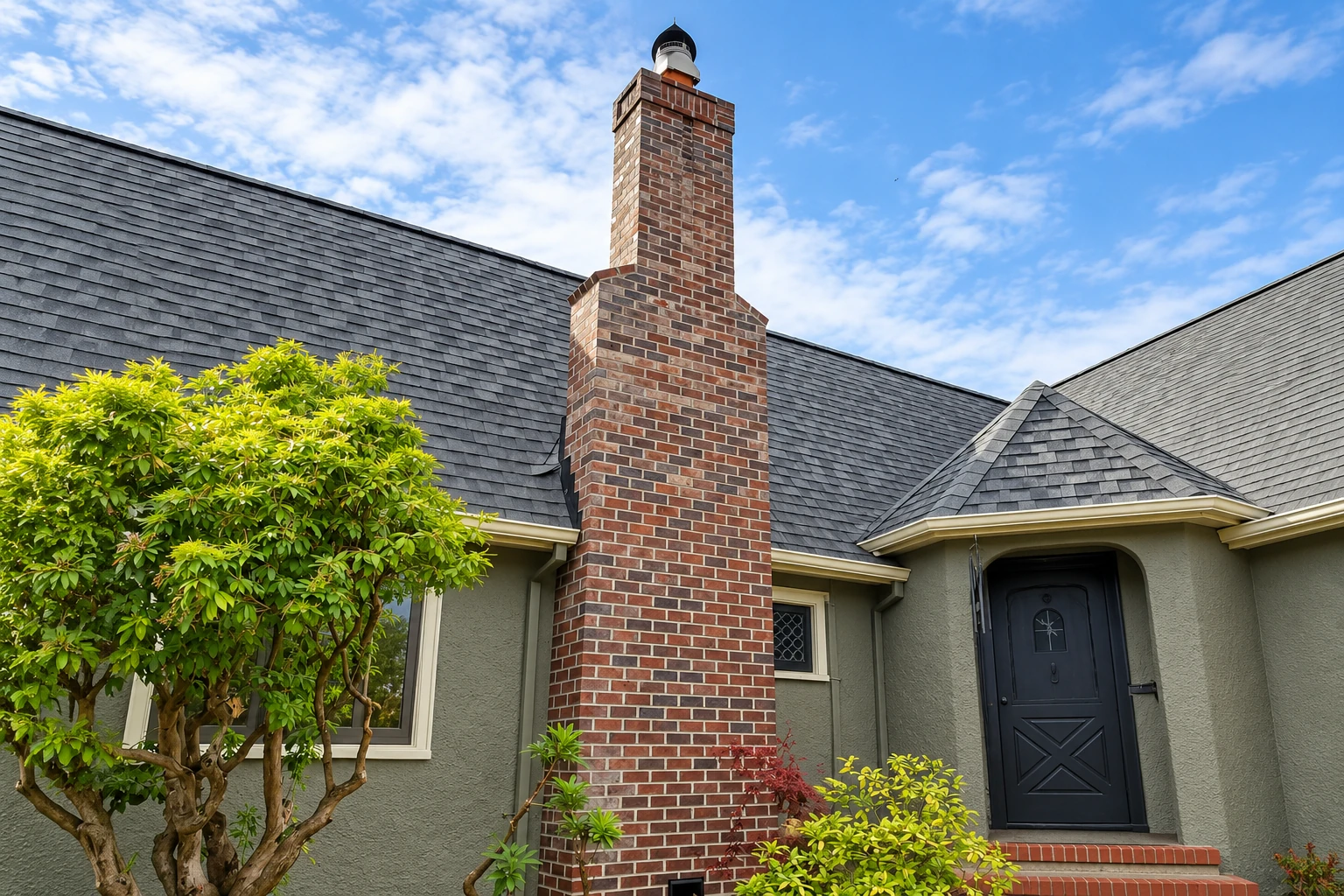
A gap opening between the chimney and the house usually means the ground under one of them has moved. Left alone, the gap widens and the chimney gets less stable.
How we handle foundation repair in Lakewood
Foundation repair in Lakewood starts with figuring out what your house sits on and what's actually moving, because the same crack in a wall can come from settling ground, tired wood framing under the floor or nothing much at all. Once I know, I tell you plainly what the repair will do and what it won't, and our crew does that work and stops there. Depending on the house, that can mean bolting and bracing the short wood walls it sits on, setting piers under a section that's sinking or rebuilding a cracked stretch of foundation. The price turns on how much of the house is moving and what we find once it's opened up. The schedule mostly turns on whether a permit is needed, and the estimate we give you on site puts a figure on your own house.
Foundation movement rarely stays in the foundation. A house that shifts can crack a chimney loose from the wall, so we often look at chimney repair on the same visit, and cracked or crumbling mortar in nearby brick is a job for tuckpointing, where we rake out the worn joints and pack in fresh mortar.
What happens after you call about your foundation?
Here's how a foundation job runs with us, from your first call to walking the finished repair together.
Call or send the form
Tell us what you're noticing in the walls, doors or floors. Then we set a time to come out and look.
Look at the house together
I look under and around the house, ask what you want out of the repair and answer your questions there.
Get your estimate on site
You get the estimate on site, laying out the repair, what it will fix and what it won't.
Permit, repair, walk-through
If you go ahead, we sort out any permit with the office for your address first. When the work's done, we walk it with you.
Why Lakewood homeowners call Caliber Lakewood Concrete and Masonry
I look at it myself
I look at your job myself, and the small crew I work alongside does the work, so nothing gets lost in between.
Masonry work since 2017
I learned under older masons and started this business in 2017. Nine years in, we still don't rush brick and block.
Licensed and fully insured
If a crew member gets hurt or something gets damaged under your house, you're not the one left holding it.
Based here in Lakewood
We're based in Lakewood and work from Long Beach up to Fullerton and out to Costa Mesa, so coming out is a short drive.
Get a foundation repair estimate for your house
Tell us your address and what you're noticing in the walls, doors or floors. We reply within one business day, and I come out to give you a free estimate on site with no obligation.
Foundation and masonry work
Look through these examples of foundation and masonry work to get a feel for what a solid, finished repair looks like.
Foundation repair questions
Here are straight answers to common questions about foundation work in Lakewood. If yours isn't here, call or send the form and ask about your own house.
How much does foundation repair cost in Lakewood, CA?
Across the US, steel or helical piering for a settling foundation usually runs about $1,000 to $3,500 per pier, so what you pay depends on how many piers your house needs. An earthquake retrofit of the wood walls under the house is priced differently, by the size of those walls, materials and labor, any rot in the framing and whether the foundation itself needs repair. The estimate puts a number on your house.
Does a cripple wall retrofit prevent earthquake damage?
No, a retrofit lowers the risk of earthquake damage but won't stop all of it. Cripple walls are the short wood walls between the foundation and the floor, and if they're poorly anchored a house can slide off its foundation in a quake, while poorly braced ones can collapse. The goal is a house that holds up better, and the state's Earthquake Brace + Bolt program offers homeowners up to $3,000 toward a retrofit.
How do helical piers work under a house?
Helical piers are steel shafts with screw-like plates that get turned into the ground under a settling part of the house. In one maker's design, each pier keeps getting extended until it reaches a set depth or suitable soil or bedrock, so how deep it goes depends on what's under your lot. Soil heavy in clay swells and shrinks as it gets wet and dries out, and that movement often cracks foundations.
How do I check if my Lakewood house is in an earthquake hazard zone?
Look up your address on the state's EQ Zapp map, which works on a computer, tablet or phone. If the house sits in a Seismic Hazard Zone, weak soil or rock is likely underneath, and that ground can fail in a quake and damage buildings unless the right precautions are taken during grading and construction. Have your result handy when you call, since it tells me what to look for.
Does a foundation repair contractor need a license in California?
Yes, in California any job that needs a permit requires a licensed contractor, even if the work comes in under $1,000. A license is also required when whoever's doing the work hires workers, so ask to see one before anyone starts digging.
How much can a contractor ask for up front in California?
A contractor can't ask for or take a down payment of more than $1,000 or 10 percent of the contract price, whichever is less. That rule covers every home improvement job, foundation work included. Ask for a contract that lists each later payment and ties it to work already done or materials delivered.
Cities we work in
Your address decides who issues a permit, since LA County Public Works covers unincorporated areas, and if your job needs one we get it first. Find Long Beach, Downey or your city below.
Get your foundation looked at before it moves more
Call (562) 249-2437 any day of the week until 9 PM, or send the form with photos of the cracks so I see them first.